Heat Pump Hot Water Explained: Cheaper, Quieter, Smarter
January 8, 2026


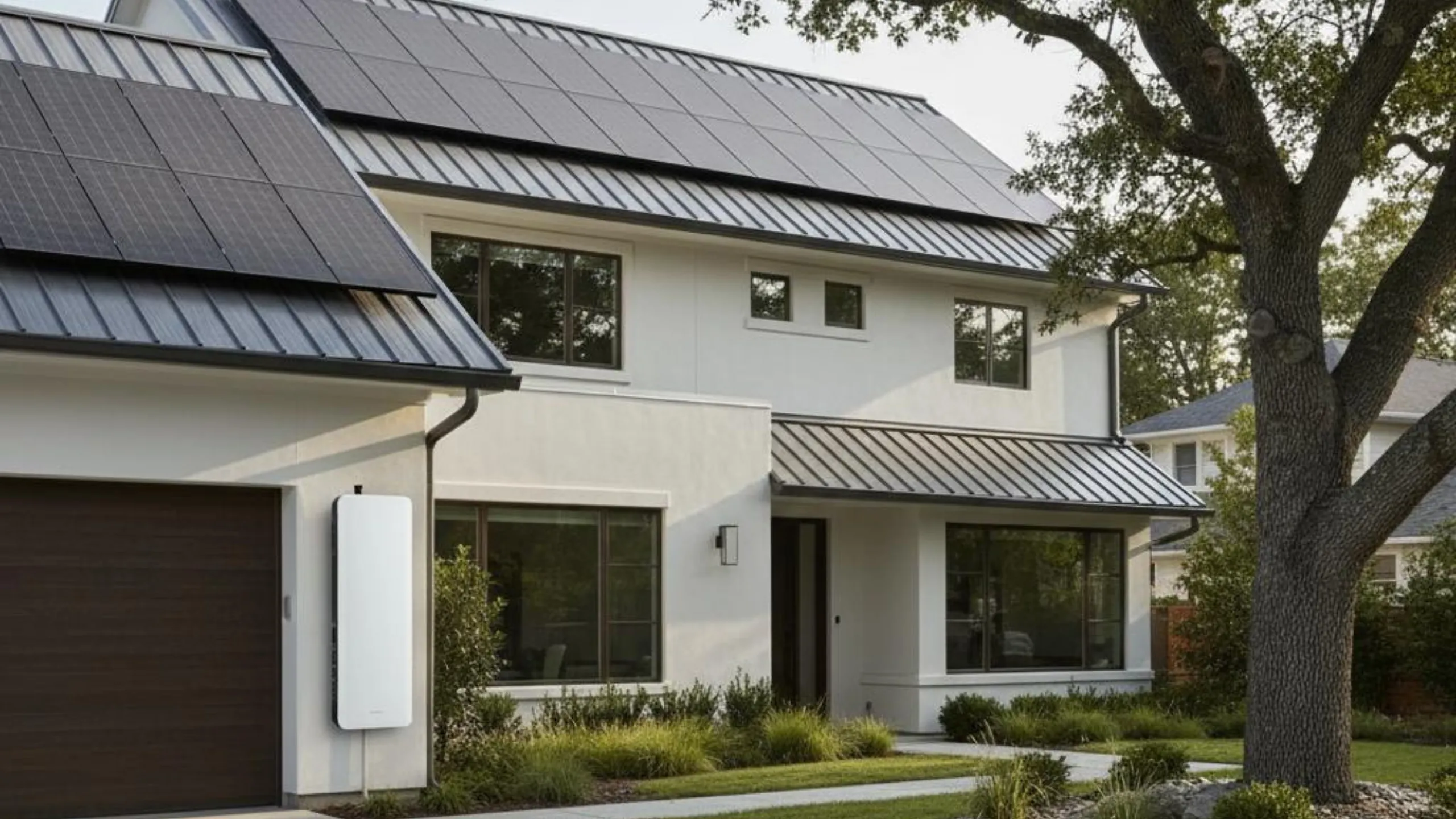
Government energy rebates can knock thousands off the cost of upgrading your heating, cooling, hot water, or solar system.
And for a lot of Victorian homeowners, that immediately triggers scepticism.
Who’s paying for this?
Is there a catch?
Why would the government cover so much of the cost?
Fair questions. Let’s break it down clearly—no jargon, no sales spin—so you understand how these rebates are funded and why they’re completely legitimate.
Government energy rebates like the Victorian Energy Upgrades (VEU) program aren’t paid out of general tax revenue.
They’re funded by energy retailers.
Under Victorian law, electricity and gas retailers must meet energy-efficiency and emissions-reduction targets. Instead of upgrading homes themselves, they fund those upgrades by purchasing energy-saving certificates created when approved systems are installed.
Here’s how it works:
That’s why rebates come straight off your install price—there’s no waiting months for a refund.
The aim isn’t small, individual savings. It’s large-scale change.
When thousands of Victorian homes:
The result is:
To make that happen at scale, the incentives have to be meaningful. That’s why rebates can reach thousands of dollars, especially when you’re removing old gas or inefficient electric systems.
These programs are:
If a system doesn’t meet the rules, the rebate doesn’t apply. There’s no loophole.
A legitimate rebate offer should always show:
If those numbers aren’t shown upfront, that’s a sales issue—not a rebate issue.
The rebates are real.
But not everyone markets them honestly.
Common problems in the market include:
That behaviour has damaged trust. And it’s why many homeowners assume rebates themselves must be fake.
They’re not.
The problem is how some companies sell them.
A trustworthy provider will:
No cold calls.
No door knocking.
No surprises.
That’s how government-backed energy upgrades are meant to work.
If you’re still unsure, that’s completely fair.
The simplest way to know what’s real is to see the numbers for your own home.
Book a free home check and you’ll get:
No pressure. Just transparency.
Think Smart. Save Big.